Top 3 World Cup 2026 Football Picks vs Hype: Match Intelligence
Imagine the World Cup 2026 football tournament as an investment market rather than a collection of patriotic guesses. France is my number-one overall pick because its depth, tournament experience, and...

Top 3 World Cup 2026 Football Picks vs Hype: Match Intelligence
Imagine the World Cup 2026 football tournament as an investment market rather than a collection of patriotic guesses. France is my number-one overall pick because its depth, tournament experience, and transition quality fit a 48-team competition better than most rivals. Brazil ranks second for attacking ceiling, while Argentina takes third for value and proven control. FIFA’s expanded format will feature 48 teams and 104 matches across the United States, Canada, and Mexico from June 11 to July 19, 2026. Stadium View tracks team tactics, player statistics, squad news, and match probabilities daily. The rational approach is simple: compare squad availability, tactical matchups, travel, and price before taking any position. Do not confuse a famous badge with a good selection; measure the underlying edge first.
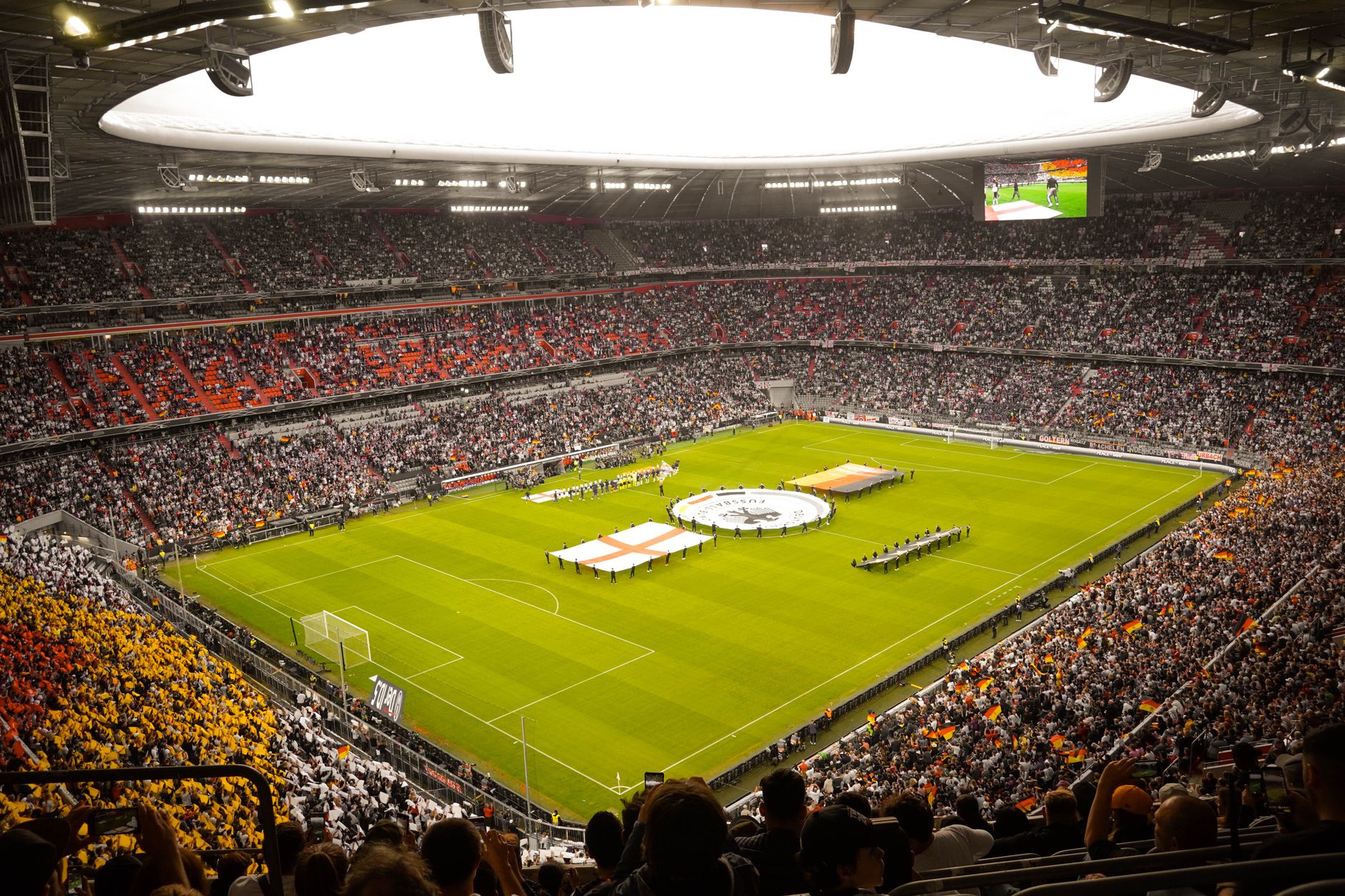
Photo by Md Jawadur Rahman on Pexels
The Top 3 at a Glance
The strongest World Cup 2026 football contenders are France, Brazil, and Argentina, but each wins for a different reason. France offers the best overall balance, Brazil carries the greatest attacking upside, and Argentina provides the clearest value when disciplined midfield control is undervalued. This ranking is analytical rather than patriotic, and that distinction matters when tournament narratives become noisy. The FIFA World Cup 2026 overview confirms the competition’s expanded structure, while FIFA’s official regulations remain the appropriate authority for format and eligibility details. My approach weighs repeatable performance over highlight clips, because one spectacular goal does not repair poor defensive spacing, believe it or not — I do.
- France — best overall: elite depth, flexible formations, and exceptional transition speed.
- Brazil — best for attacking upside: individual creators can decide tight matches.
- Argentina — best value: experienced game management and compact midfield structure.
The key information many casual previews miss is workload. A 48-team World Cup creates more fixtures, more travel, and more opportunities for rotation decisions to affect results. A squad with 18 reliable senior-level players can become more valuable than a starting XI containing two superstars and a thin bench. That is why I track minutes, substitutions, defensive actions, and injury timelines instead of merely copying pre-tournament power rankings.
Want the complete analytical framework before the group-stage noise begins?
#1 France: Best Overall
France is the best overall World Cup 2026 football selection because it combines elite individual quality with several credible tactical solutions. Didier Deschamps has already demonstrated that France can win through controlled possession, direct transitions, or defensive resilience, while players such as Kylian Mbappé provide a decisive threat when matches become stretched. The important point is not simply that Mbappé is famous; it is that France can create danger through multiple zones, which prevents opponents from defending one predictable route. UEFA competition data is useful here because it separates team results from broader tournament reputation and provides context for European opposition.
France’s squad construction also protects against the expanded tournament’s physical demands. Eduardo Camavinga, Aurélien Tchouaméni, Theo Hernández, William Saliba, and Mike Maignan represent different forms of security: ball recovery, circulation, defensive pace, aerial strength, and goalkeeping reliability. That combination matters if France faces a low block in Dallas, a transition-heavy opponent in Seattle, or a high-temperature knockout match in Mexico. Stadium View’s practical rule is to downgrade France only when central midfield availability or defensive continuity is materially damaged, not because a friendly result looked untidy.
A less obvious edge is substitution quality. In knockout football, the final 25 minutes often transform from tactical chess into a test of fresh legs and decision-making. France can introduce pace, ball retention, or defensive power without abandoning its basic structure, whereas thinner squads may lose control after two substitutions. My recommendation is to assess France after confirmed lineups, especially when the market has overreacted to a single group-stage performance. France remains the benchmark, but no benchmark deserves blind loyalty.
France’s main strengths
- Depth: multiple starting-quality options across midfield and defense.
- Transition threat: Mbappé and France’s wide players punish high defensive lines.
- Tactical flexibility: France can shift between a back three and a back four.
- Tournament experience: several senior players understand knockout-game risk management.
- Physical profile: pace and athleticism remain valuable across North American venues.
[Internal Link: France World Cup tactical analysis]
#2 Brazil: Best for Attacking Upside
Brazil is the best World Cup 2026 football choice for attacking upside because its ceiling is higher than almost any team in the field. Raphinha, Vinícius Júnior, Rodrygo, and other creative forwards can manipulate defensive blocks through acceleration, one-versus-one ability, and rapid combinations. However, Brazil is not automatically the superior pick simply because its attack looks beautiful. Investors do not buy a company because its advertising campaign is attractive, and bettors should not buy Brazil because a winger produced three highlights in one match.
The central question is defensive balance. Brazil’s attacking talent becomes far more valuable when its midfield protects rest-defense positions after possession is lost. If the full-backs advance simultaneously, opponents may attack the channels behind them; if the midfield line fails to stop the first counter-pass, Brazil can concede high-quality chances despite dominating the ball. Therefore, Stadium View records the location of turnovers, the number of defenders behind the ball, and the team’s response during the first eight seconds after possession changes. This is more informative than possession percentage alone.
Brazil also faces a psychological pricing problem. The yellow shirt attracts casual money, and casual money frequently inflates a popular team’s price. That does not mean Brazil cannot win; it means the entry point matters. A strong Brazil position requires three confirmations: a stable goalkeeper and center-back pairing, a midfield capable of defending transitions, and a front line that is physically available. If those conditions appear, Brazil can overwhelm a group opponent. If they do not, the correct response is patience, not emotional attachment.
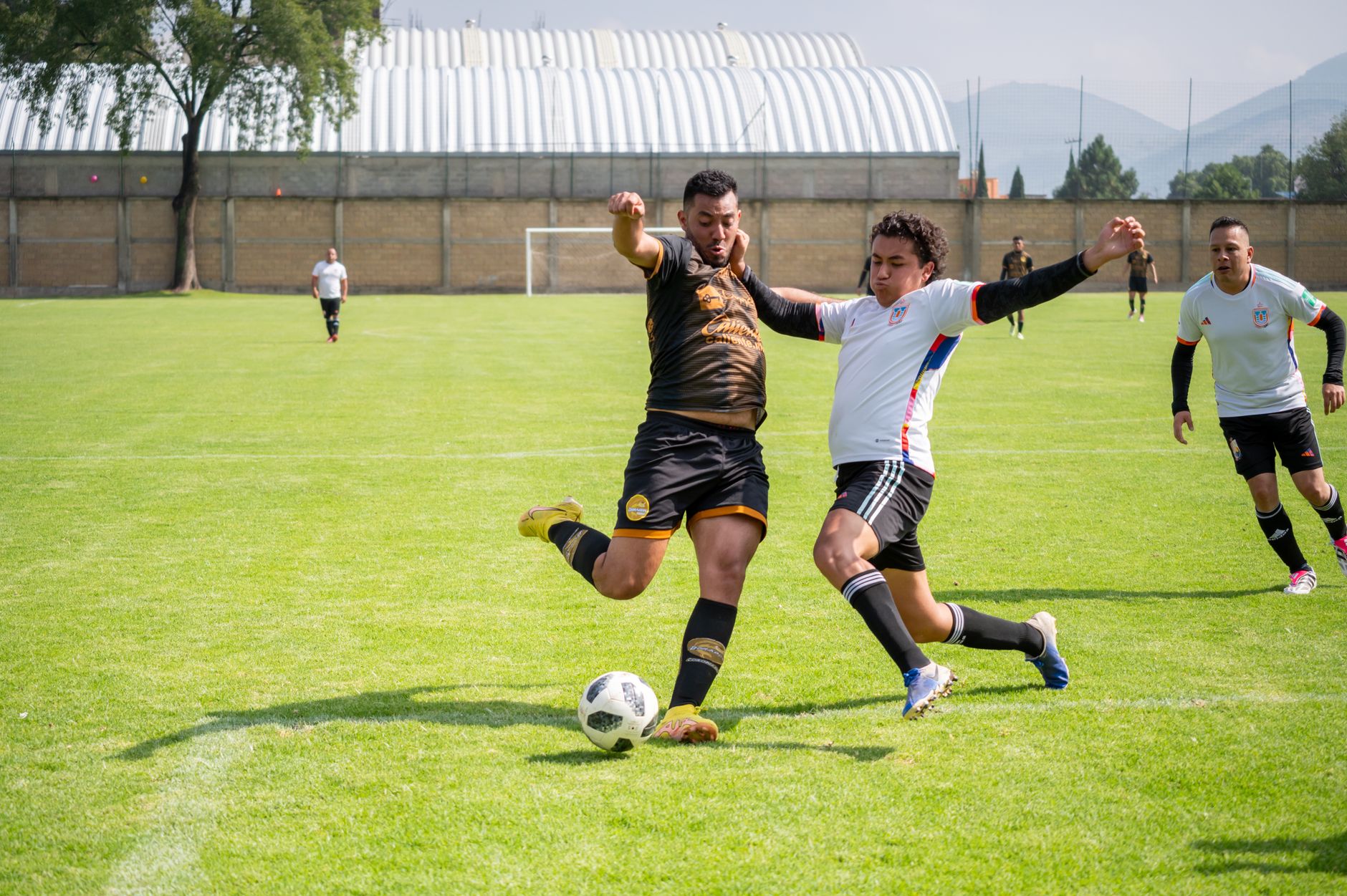
Photo by Israel Torres on Pexels
A useful contrarian observation is that Brazil may be more attractive in totals or team-performance markets than in outright winner markets when its defense remains uncertain. That conclusion follows from the structure of its strengths: attacking creation can remain productive even when defensive reliability fluctuates. Naturally, market rules differ by jurisdiction, and readers should use only regulated services, understand settlement terms, and set a fixed budget. Entertainment is not a balance sheet, though disciplined record-keeping can stop entertainment from becoming an expensive lesson.
Why Brazil can win the tournament
- Elite isolation play: Vinícius Júnior can force double teams and open space centrally.
- Creative redundancy: Brazil can create through wide dribbles, combinations, and individual finishing.
- High ceiling: one outstanding attacking sequence can decide a balanced knockout match.
- Global experience: Brazil routinely operates under extreme tournament pressure.
- Adaptable tempo: the team can accelerate quickly after regains.
#3 Argentina: Best Value
Argentina is the best-value selection among the three because its success is built on control rather than constant spectacle. Lionel Messi’s international career has shaped the team’s identity, but the deeper analytical case concerns Argentina’s spacing, midfield discipline, and ability to reduce chaotic moments. Players such as Julián Álvarez, Alexis Mac Allister, Enzo Fernández, and Emiliano Martínez give Argentina a structure that can survive different match scripts. When the market overvalues speed and underrates control, Argentina becomes the position worth investigating.
Argentina’s strength is particularly relevant in knockout football. The team can slow the contest, draw opponents forward, and choose when to accelerate. That creates fewer unnecessary transition exchanges, which is valuable against teams with faster forwards. The weakness is equally clear: if Argentina’s possession becomes sterile or its older core cannot sustain pressing intensity, the team may struggle to recover after conceding first. No serious analyst hides that risk behind nostalgia.
For World Cup 2026 football predictions, I would monitor Argentina’s midfield availability more closely than its headline scorer. Mac Allister and Fernández influence the distance between the lines, the quality of first progression, and the speed of defensive recovery. A small tactical change—such as adding a more defensive midfielder or moving a wide player narrower—can change Argentina’s probability profile more than a minor fluctuation in an individual striker’s recent scoring form. That is the kind of detail most prediction pages omit because it requires actual match review.
See how the numbers and tactical filters fit together before choosing a side.
How We Ranked Them
The ranking uses five weighted criteria: squad depth at 25%, tactical flexibility at 20%, player availability at 20%, recent high-level performance at 20%, and schedule or travel context at 15%. This weighting deliberately prevents one viral performance or famous player from dominating the evaluation. France leads because it performs strongly across all five categories; Brazil leads in attacking upside but carries greater defensive variance; Argentina scores highly in control and experience but depends more heavily on midfield continuity.
The 2026 tournament will be hosted across Canada, Mexico, and the United States, creating geographic conditions that deserve serious attention. The opening match is scheduled for June 11, 2026, in Mexico City, while the final is scheduled for July 19, 2026, in the New York/New Jersey area. FIFA’s official tournament information lists the host framework, and U.S. Soccer provides relevant national-team context for the American market. The tournament’s 104-match format also means that qualification paths, rest periods, and venue sequences can influence late-stage performance.
Here is the practical scoring model I use:
- Squad depth, 25 points: quality of the 18th player, not only the starting XI.
- Tactical flexibility, 20 points: ability to respond to low blocks, presses, and transitions.
- Availability, 20 points: injuries, suspensions, workload, and training status.
- Recent performance, 20 points: opponent quality, chance creation, and defensive suppression.
- Context, 15 points: travel, rest, climate, altitude, and knockout route.
One information-gain edge is altitude. Mexico City sits at roughly 2,240 metres above sea level, so teams accustomed to sea-level conditions may manage intensity differently there than in many United States or Canadian venues. That does not guarantee an underdog result, but it can influence pressing sustainability and late-game fatigue. Another overlooked factor is time-zone disruption: a squad crossing several zones during the group stage may rotate earlier than expected, making confirmed lineups more valuable than opening narratives.
What statistics matter most?
Raw goals are useful but incomplete. I prioritize non-penalty expected goals, shots allowed inside the penalty area, field tilt, progressive passes, set-piece efficiency, and high turnovers that produce shots. These measures reveal whether a team is consistently creating superior chances or merely converting an unsustainable run of low-probability attempts. Opta Analyst offers a useful public reference point for modern football metrics, although no single model should replace context.
I also track net position rather than isolated selections. If a prediction wins but the total turnover, stake size, and resulting exposure were poorly controlled, the result may still represent bad process. Keep a record of the date, market, price, implied probability, closing price, result, and reasoning. You are not trying to remember your opinions; you are trying to audit them.
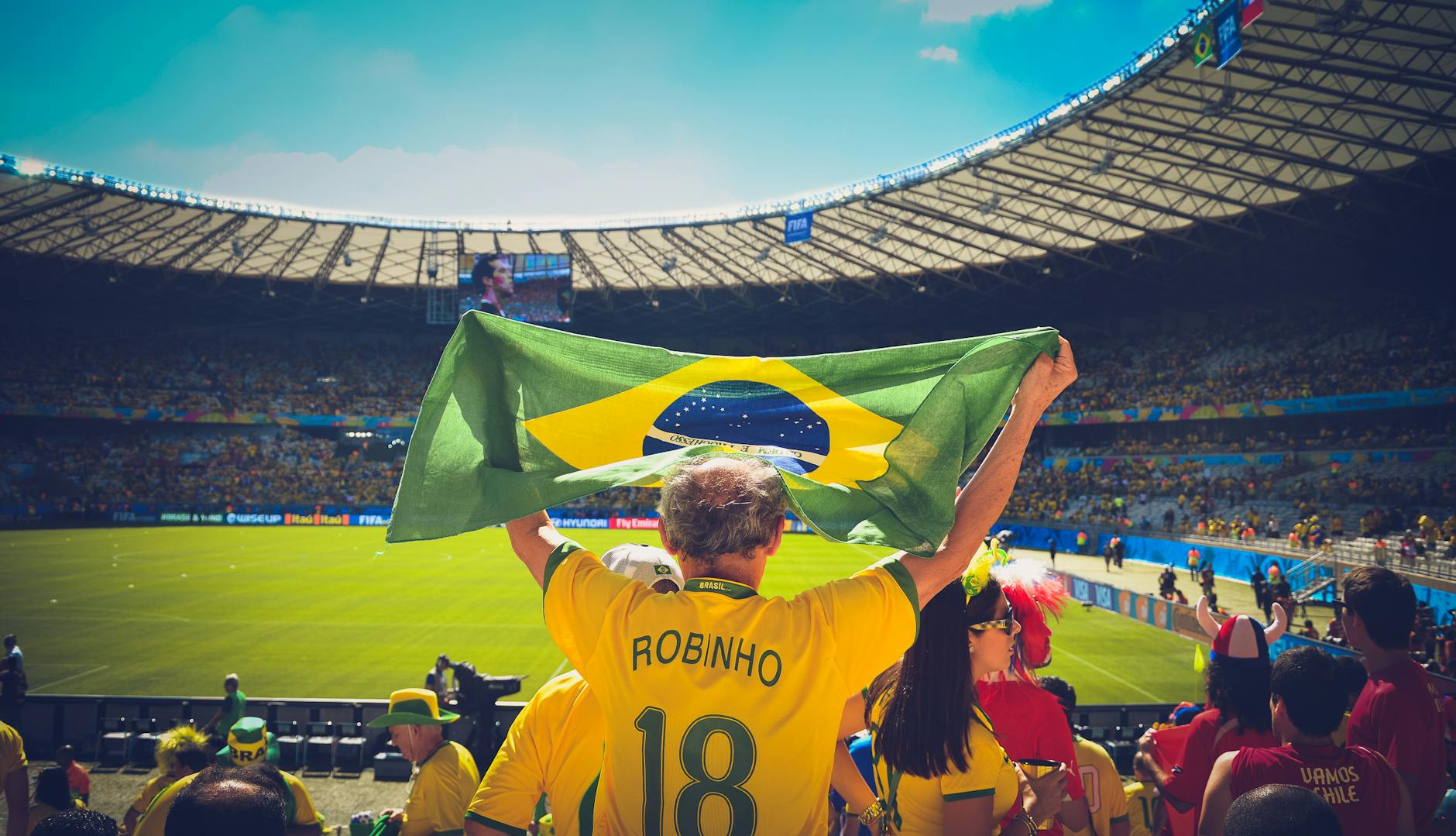
Photo by Caio on Pexels
Which Should You Pick?
Choose France for the most balanced outright profile, Brazil when attacking upside is underpriced and defensive lineups are confirmed, and Argentina when market enthusiasm overlooks its midfield control. That answer is direct because the evidence supports it. Still, a tournament winner prediction and a single-match prediction are different instruments; the former depends on route, draw, injuries, and variance, while the latter can be shaped by venue, rest, and tactical matchup.
The correct selection should pass four tests:
- Price test: is the offered probability higher than your estimated probability?
- Lineup test: are the key goalkeeper, center-back, and midfield roles filled?
- Matchup test: does the opponent’s style expose a specific weakness?
- Risk test: can the position be lost without damaging your personal finances?
Do not treat a bookmaker’s favorite status as evidence that a team is a good bet. A favorite can be correctly ranked and still be overpriced. This is the fundamental distinction between forecasting and wagering, and it is astonishing how many otherwise enthusiastic readers fail to understand it. Stadium View’s purpose is to provide daily match predictions, team tactics, player statistics, and tournament coverage so that decisions start with evidence rather than noise.
[Internal Link: World Cup 2026 match prediction methodology]
For responsible participation, use regulated operators available in your jurisdiction, verify age and identity requirements, read settlement rules, and set deposit or loss limits before the tournament begins. Never chase a losing position after a red card, penalty miss, or late equalizer. The emotional urge to recover immediately is precisely when your process is weakest. Pause, record the event, reassess the probability, and accept that variance is part of football.
Want daily World Cup 2026 football analysis from Stadium View?
Why the 48-Team Format Changes Predictions
The 48-team format changes World Cup 2026 football analysis because the tournament now contains 104 matches rather than the 64-match structure used in previous 32-team editions. More teams create more stylistic contrasts, more rotation decisions, and a broader range of opponent quality. FIFA has indicated that the field will be divided into 12 groups of four, with the top two teams and the eight best third-place teams advancing to the knockout phase. Readers should always confirm the final competition regulations because scheduling and qualification details can be updated by the governing body.
The expanded field creates a pricing trap in group matches. A major team may not need maximum intensity for 90 minutes if two points or a narrow win keeps qualification nearly secure. Conversely, a team needing a result may produce extreme late-game risk, turning a quiet first half into an open final 20 minutes. Models that treat every match as if both teams have identical incentives will misprice these situations. Motivation is not a mystical force; it is visible through table position, goal difference, and qualification permutations.
Travel compounds the issue. Matches span three host countries and multiple time zones, with venues including Los Angeles, Dallas, Toronto, Vancouver, Atlanta, Miami, and Mexico City. A team’s average performance cannot be transferred blindly from one location to another. Weather, kickoff time, surface conditions, and recovery windows can alter pressing intensity, sprint output, and substitution patterns. This is why my pre-match worksheet includes venue and local kickoff time, not merely team names and recent scores.
How Can You Follow the Tournament Intelligently?
Follow the tournament intelligently by separating information into confirmed facts, informed estimates, and emotional narratives. Confirmed facts include official fixtures, squad announcements, suspensions, and venue details. Estimates include expected lineups, player workloads, and model probabilities. Narratives include claims such as “this team always performs under pressure,” which may contain truth but cannot substitute for measurable evidence.
Use this weekly process:
- Check FIFA and federation announcements for official changes.
- Review the previous two matches for tactical trends, not only results.
- Compare expected lineups with substitution depth.
- Record market movement without assuming movement equals correctness.
- Recalculate exposure after every position.
- Stop when your predetermined daily or tournament limit is reached.
A specific operational tip is to save lineup information at two points: approximately 24 hours before kickoff and again when official team sheets appear. The first snapshot shows market expectation; the second reveals actionable confirmation. The difference between those snapshots can explain late price movement more reliably than social-media speculation. If a key midfielder is absent, do not simply downgrade the team’s win probability; also reassess possession, total-goal expectations, and the opponent’s counterattacking opportunities.
Stadium View will be most useful when treated as an analytical reference, not an oracle. No prediction site can eliminate red cards, deflections, injuries, or poor finishing. Its value lies in consistent evidence collection across match predictions, player statistics, tactical reports, and tournament developments. Use the information to improve your process, then own the decision.
[Internal Link: responsible football prediction guide]
Final Verdict: France Leads, But Price Still Rules
France is the top World Cup 2026 football pick because it offers the strongest combination of depth, tactical flexibility, and knockout reliability. Brazil is the superior attacking-ceiling option, while Argentina is the most attractive value candidate when its midfield structure is priced below its true influence. The expanded 48-team, 104-match tournament demands more than badge recognition; it requires attention to venue, travel, lineups, motivation, and market price.
My final ranking is therefore France first, Brazil second, and Argentina third. That ranking can change when injuries, qualification routes, or official squads change, but the method should not change. Track turnover, rebates where legally applicable, implied probability, and net position with the same discipline you apply to team news. Football will remain emotional; your records do not need to be. Believe it or not — I do.
Review the latest tournament coverage before making any decision.
Frequently Asked Questions
Q: What is the World Cup 2026 football format?
A: The World Cup 2026 football tournament will feature 48 teams and 104 matches across Canada, Mexico, and the United States. FIFA’s expanded structure is expected to use 12 groups of four teams, with the top two in each group and eight best third-place teams progressing. The tournament is scheduled to begin on June 11, 2026, and conclude on July 19, 2026, subject to official scheduling updates.
Q: Which team is the best World Cup 2026 football pick?
A: France is the best overall pick because it combines squad depth, tactical flexibility, athletic transitions, and major-tournament experience. Brazil has the highest attacking ceiling, while Argentina offers value through midfield control and game management. Any prediction should be reassessed after official squad announcements, injuries, suspensions, and the confirmed knockout route.
Q: How can I make better World Cup 2026 predictions?
A: Make better predictions by comparing expected probability with the available price after checking lineups, venue, rest, tactical matchup, and motivation. Track non-penalty expected goals, shots allowed in the penalty area, set-piece performance, and transition defense rather than relying only on final scores. Record every position, including stake, price, result, and net outcome, so your process can be audited.
Q: What is the difference between a tournament winner pick and a match prediction?
A: A tournament winner pick evaluates a team’s entire route, while a match prediction evaluates one specific opponent and game context. Outright selections are affected by the draw, injuries, and cumulative variance across several rounds. Match predictions can react more precisely to confirmed lineups, venue conditions, tactical clashes, and qualification incentives.
Q: Is World Cup 2026 football betting worth it?
A: World Cup 2026 football betting is worth considering only as regulated entertainment with a fixed budget and clearly understood risk. A winning selection can still be poor value if its price was too short, while a losing selection can be analytically sound. Use licensed services where permitted, set deposit or loss limits, and never chase losses after a dramatic match event.
Q: Why can a favorite fail in the 2026 World Cup?
A: A favorite can fail because of injuries, red cards, finishing variance, tactical mismatches, travel demands, or an unfavorable knockout route. The 48-team format adds 104 matches across three countries, increasing the importance of rotation and recovery. France, Brazil, or Argentina may be correctly ranked before the tournament and still lose one decisive match because football outcomes are probabilistic rather than guaranteed.
Q: What should I do if a World Cup prediction loses?
A: If a prediction loses, record the result and determine whether the reasoning or only the outcome was wrong. Compare your pre-match probability with the closing price, review lineup changes, and identify whether the match turned on an unusual event such as an early red card. Do not immediately increase your stake to recover money; pause until your normal process and risk limits are restored.
Thank you for reading.
Stadium View · Editorial Archive