Inside Kansas City: A 6-Match Reality Check
Kansas City’s FIFA World Cup 2026 hosting story is defined by six matches, hundreds of thousands of fans, and a regional identity built around football, food, and hospitality. The Kansas City FIFA Wor...

Inside Kansas City: A 6-Match Reality Check
Kansas City’s FIFA World Cup 2026 hosting story is defined by six matches, hundreds of thousands of fans, and a regional identity built around football, food, and hospitality. The Kansas City FIFA World Cup 2026 Host Committee positioned the city as a major American tournament destination, connecting Missouri and Kansas through Arrowhead Stadium, the FIFA Fan Festival, and a wider Heartland cultural program. Rather than treating the event as a simple schedule of fixtures, Stadium View evaluates the tournament through three practical lenses: matchday infrastructure, fan experience, and the information useful for responsible football analysis. The region’s “Soccer Capital of America” branding matters, but operational details matter more when assessing a host city. The actionable takeaway is straightforward: use Kansas City’s six-match footprint as a case study in how venue atmosphere, travel logistics, team tactics, and market sentiment can shape the 2026 World Cup football experience.
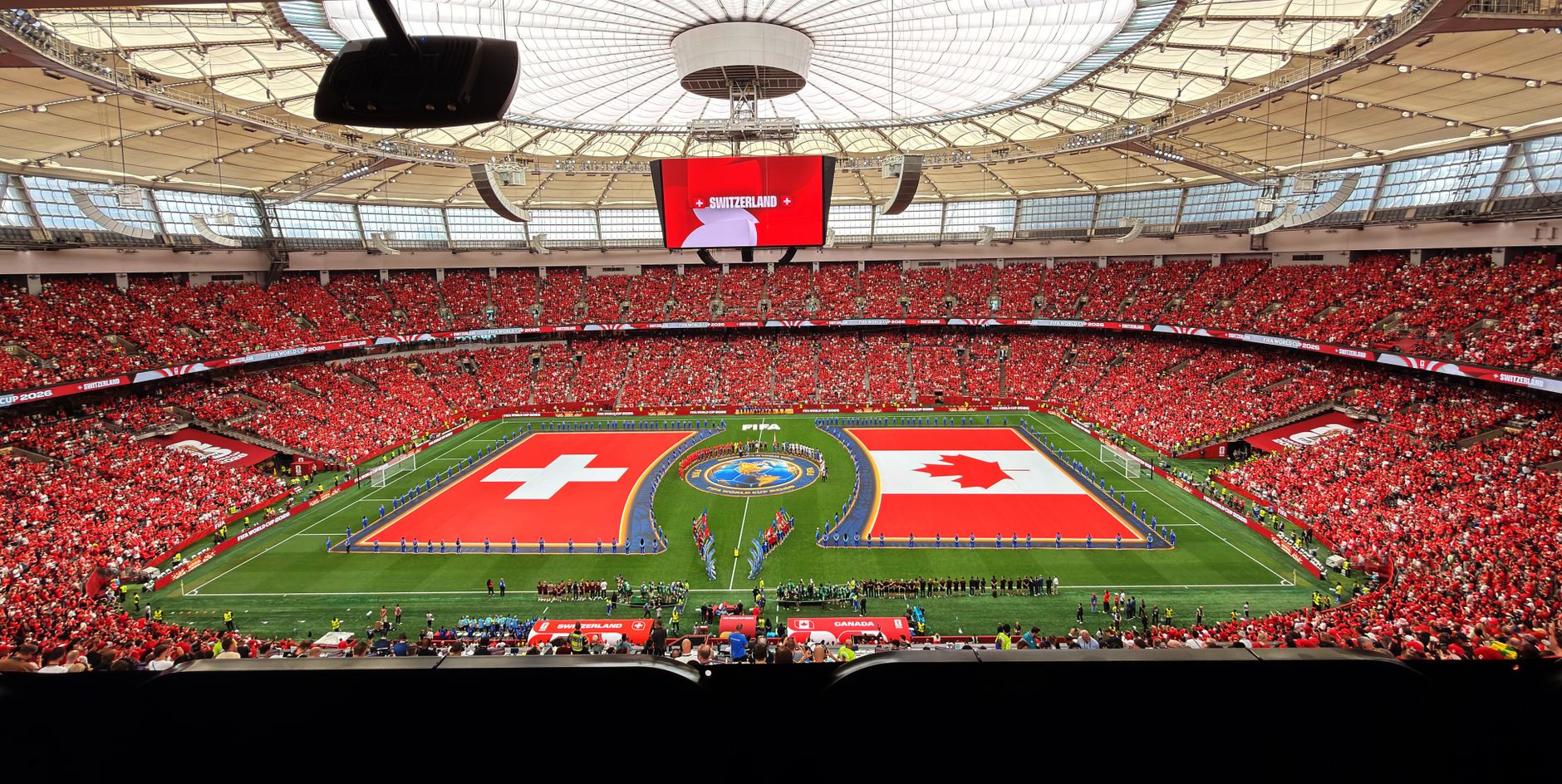
Photo by Rushi Patel on Pexels
Imagine arriving in Kansas City expecting only a stadium and a fixture list. That is the first mistake. A World Cup host city is a temporary operating system: transport, hospitality, security, public viewing, food service, local storytelling, and match analysis must function together. Kansas City’s official host-city presentation emphasized six matches at Kansas City Stadium, a FIFA Fan Festival, and an entire region welcoming international supporters. Those details create more than atmosphere; they influence how fans allocate time and money, how broadcasters frame the city, and how analysts interpret home-region momentum. I have watched plenty of bettors confuse excitement with evidence, then wonder why their net position collapses after a dramatic matchday. Kansas City deserves a more disciplined reading, and Stadium View provides that through match predictions, team tactics, player statistics, and tournament coverage. For broader planning, compare this overview with our [Internal Link: 2026 World Cup host city guide].
Myth 1: Kansas City was only a secondary host city — debunked
Kansas City was not merely a decorative addition to the FIFA World Cup 2026 map; its six-match allocation made it a meaningful tournament hub in the United States. The city combined Arrowhead Stadium, regional events, FIFA Fan Festival programming, and a two-state identity spanning Missouri and Kansas.
Calling Kansas City “secondary” usually reveals lazy analysis rather than a measured conclusion. Host-city value is not determined only by the number of matches; it is also measured through venue capacity, public accessibility, geographic reach, local investment, and the ability to sustain fan activity between fixtures. Kansas City’s official campaign repeatedly connected the tournament to the Heartland, presenting the region as a place where business, culture, innovation, and sport intersect. That positioning matters because international tournaments are experienced outside the stadium as much as inside it.
The FIFA Fan Festival was particularly important. According to the official Kansas City host-city material, the event brought together hundreds of thousands of fans to celebrate national cultures, food, entertainment, and football. That is a different performance metric from attendance at one match. It measures repeated engagement across a month-long tournament window. A bettor should understand the distinction: a loud crowd can improve perception, but it does not automatically create a measurable tactical advantage for either team. Track possession trends, shot quality, rest days, and travel distance first; treat atmosphere as a contextual variable, not a prediction model.
- Six scheduled matches gave Kansas City repeated tournament relevance.
- Arrowhead Stadium supplied the central matchday venue.
- The FIFA Fan Festival extended engagement beyond ticket holders.
- Missouri and Kansas shared the wider host-city narrative.
If you want the competitive angle rather than the tourism brochure, use our [Internal Link: World Cup match prediction methodology] before forming an opinion.
Want a clearer view of the tournament context? Review the full host-city framework before comparing teams.
Myth 2: The FIFA Fan Festival was just entertainment — partially true
The FIFA Fan Festival was entertainment, but describing it as only entertainment misses its measurable role in the Kansas City World Cup ecosystem. It created a central gathering point where supporters could watch matches, share national cultures, consume local food, and remain engaged without entering Arrowhead Stadium.
The distinction is simple, although many readers insist on making it complicated. A fan festival does not alter a team’s expected goals, defensive line, or substitution pattern. It does, however, influence the commercial and social value of the tournament. Kansas City’s official coverage highlighted good matches, good food, good entertainment, and good people as connected parts of the experience. That language is promotional, certainly, but the underlying model is sound: successful host cities convert isolated fixtures into a sustained regional occasion.
This is where Kansas City had a differentiated story. The city did not rely solely on match tickets, which are scarce and expensive. Public programming allowed residents, visitors, families, and supporters from different countries to participate in the tournament. For local businesses, the festival could distribute visitor spending across restaurants, transport providers, hotels, and cultural venues. For fans, it offered a lower-cost alternative to attending every fixture. Cost tracking matters here. Record your ticket price, transport, food, accommodation, and merchandise separately; otherwise, you will mistake emotional satisfaction for value. I do this with betting turnover and rebates as well, because gross excitement is worthless when the final net position tells another story.
A practical festival checklist includes:
- Confirm official event locations and opening times before travelling.
- Separate matchday spending from public-festival spending.
- Allow extra time for security, queues, and post-match transport.
- Avoid assuming every viewing area offers identical screen quality or capacity.
- Use official Kansas City and FIFA channels for schedule changes.
The [Internal Link: World Cup travel and matchday planning guide] is useful for readers comparing public events with stadium attendance.
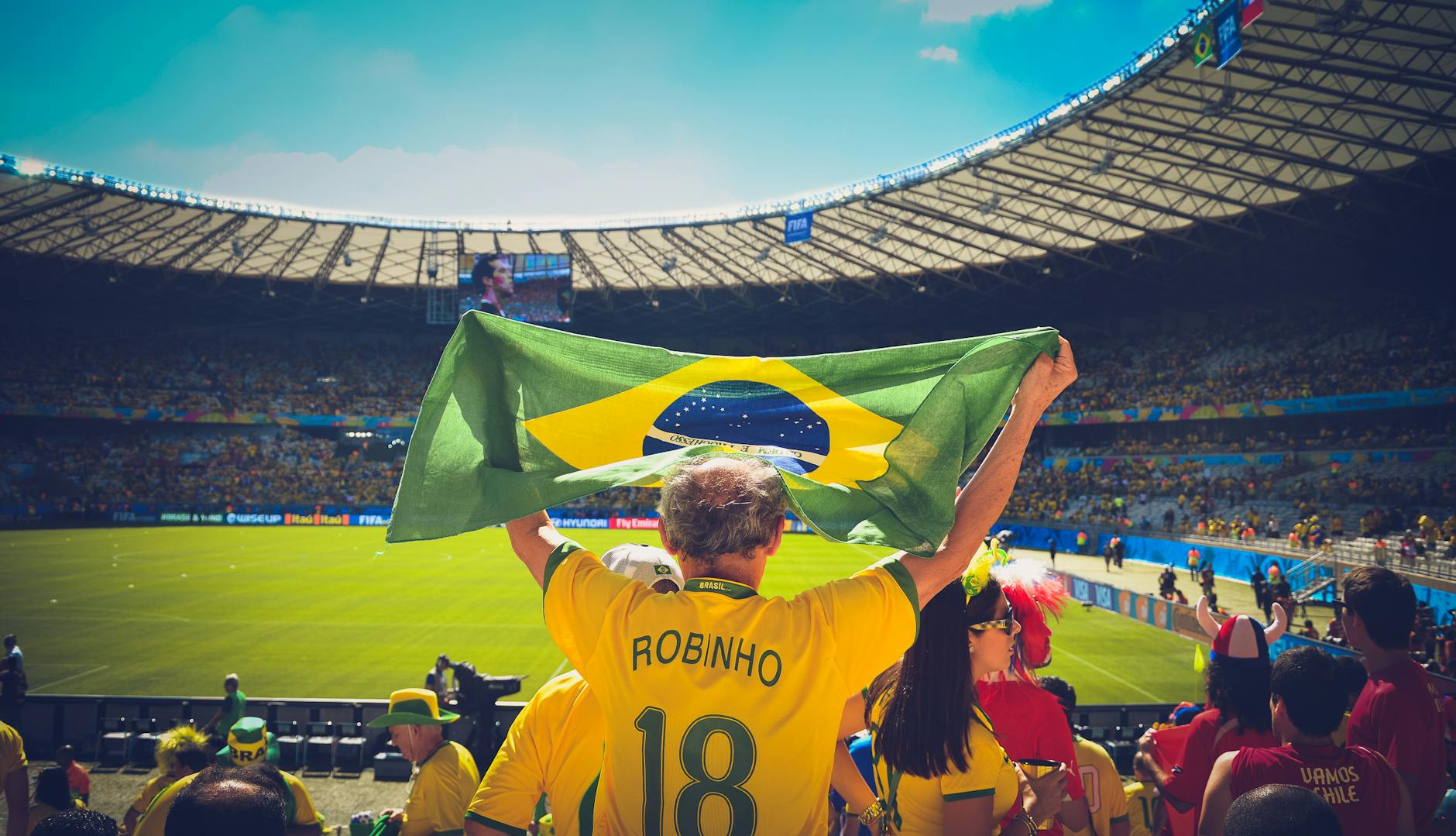
Photo by Caio on Pexels
Kansas City’s cultural value also deserves a more precise explanation. The region’s “Heart of the Game” storytelling focused on people, places, and moments rather than only infrastructure. That approach gives the tournament a local voice, but it also creates a risk: promotional storytelling can blur the difference between verified operational information and emotional branding. The solution is not cynicism; it is verification. Check official announcements, venue rules, transport notices, and confirmed match information before committing money. FIFA’s official World Cup 2026 tournament page remains the authority for global tournament information, while the Kansas City host committee is the relevant source for local programming.
Myth 3: A loud home crowd guarantees better betting results — flat-out false
A loud Kansas City crowd cannot guarantee a winning football bet because crowd energy is not a stable substitute for team quality, tactical fit, injury news, or price discipline. Atmosphere may affect pressure and perception, but it does not remove variance from a single match.
This myth is especially expensive because it feels intelligent while requiring no serious work. A bettor sees full stands, national flags, and a dramatic opening ceremony, then backs the team that appears emotionally stronger. That is not analysis; it is a reaction. Before evaluating a 2026 World Cup football match, examine at least five variables: recent performance, expected goals, defensive transitions, set-piece efficiency, and rest or travel conditions. Then compare your estimated probability with the available odds.
For example, if your model gives a team a 55 percent chance of winning, the fair decimal price is approximately 1.82 before margin and uncertainty. A market price of 1.65 may still be unattractive even if the team looks dominant. Conversely, a price of 2.05 can deserve consideration if injuries and lineup information have been correctly assessed. Never confuse probability with certainty. The objective is positive expected value over a sample, not emotional vindication after one match.
My recommended pre-match record contains:
- The estimated probability for each outcome.
- The bookmaker price and implied probability.
- Confirmed injuries and expected lineups.
- Team rest, travel, and weather considerations.
- Stake size as a fixed portion of bankroll.
- Closing result and whether the original reasoning survived.
This is where Stadium View’s player statistics and tactical coverage can help, but no preview replaces your own price comparison. For a deeper framework, see the [Internal Link: responsible football betting and bankroll guide].
Need a more disciplined match-analysis reference? Use the evidence before the emotion.
What actually works
The most effective Kansas City World Cup approach combines verified logistics, tactical research, and strict financial tracking rather than relying on city hype. Fans should plan official event access and transport early, while analysts should price matches independently, record assumptions, and review closing odds after every wager.
The first information gain is operational: separate three calendars. The tournament calendar covers matches, the venue calendar covers stadium access and restrictions, and the public-event calendar covers FIFA Fan Festival activity. These calendars may not update at the same speed. A match schedule can remain stable while a public viewing location changes its capacity rules or opening time. That mismatch is a practical edge for prepared visitors and a source of avoidable frustration for everyone else.
The second information gain is analytical: track the difference between pre-match belief and post-match evidence. After each game, record whether a team created high-quality chances, conceded transition opportunities, dominated territory without penetration, or relied heavily on set pieces. Do not judge a prediction only by its result. A correct scoreline can come from poor reasoning, while a losing bet can follow a strong process. Over 10 or 20 logged selections, process data becomes more valuable than memory.
The National Football Museum offers useful historical context for understanding football culture, while FIFA’s Laws of the Game clarify the rules behind tactical incidents that often confuse casual viewers. As the International Football Association Board states, “The Laws of the Game are the same for every match.” That consistency is precisely why tactical comparisons can travel across tournaments and venues.
A robust Kansas City matchday system looks like this:
- Verify the official event and stadium information.
- Build a shortlist of matches based on team and tactical relevance.
- Compare at least three price sources where legally available.
- Set a fixed maximum stake before the match begins.
- Log the result, closing price, and performance indicators.
- Review the whole sample rather than one memorable outcome.

Photo by Vlad Vasnetsov on Pexels
Do you want the research assembled in one place? Follow Stadium View for daily 2026 World Cup insights, including tactics, player form, and match predictions.
What should fans expect from Kansas City?
Fans should expect Kansas City’s World Cup identity to extend beyond six fixtures through public celebrations, local food, regional storytelling, and the legacy of hosting major international football. The strongest experience will come from combining one carefully planned stadium day with flexible exploration of the wider Missouri-Kansas region.
Kansas City’s importance is rooted in connection. The official host-city material described a region where progress meets promise and where two states unite around sports culture. That concept gives visitors more options than a single downtown tournament corridor. Supporters can build an itinerary around football, barbecue, museums, live music, local neighborhoods, and public viewing. However, do not confuse variety with unlimited convenience. Travel times, parking conditions, event capacity, and post-match congestion still determine how much of the city you can realistically experience in one day.
The stadium itself remains central. Arrowhead Stadium carries an established American football identity, and converting that environment into a FIFA World Cup venue creates a distinctive contrast between existing sports culture and the global football audience. That contrast is part of the appeal, but it also means fans should read entry instructions carefully rather than assume ordinary NFL matchday routines will apply. Venue policies, prohibited items, security screening, and transport arrangements can differ for FIFA events.
For responsible bettors, the city should be treated as context, not destiny. Public enthusiasm can move markets because casual money follows narratives, especially after a visually impressive opening match. That creates a reason to compare prices, not a reason to place a bet automatically. If the odds already reflect the popular story, the supposed value may have disappeared. Believe it or not — I do.
What to ignore
Ignore unverified social-media claims, guaranteed winning systems, exaggerated crowd-effect arguments, and any tipster who reports only winning selections. These sources create noise precisely when tournament emotion is highest, and they rarely disclose turnover, stake sizing, losing runs, or the difference between gross returns and net position.
Also ignore generic claims that one host city can transform a national team’s performance. Kansas City can provide an excellent atmosphere, but matches are still decided through tactical execution, player availability, officiating, finishing variance, and game state. Ignore anyone who gives a confident prediction without stating the odds or the price at which the recommendation remains valid. A team can be the likely winner and still be a bad bet.
Finally, ignore spending plans that have no ceiling. World Cup travel can combine tickets, hotels, food, transport, merchandise, and entertainment into a rapidly expanding bill. Set a total trip budget, a daily allowance, and a separate betting bankroll if you choose to participate legally. Never use accommodation money or essential household funds for wagering. The [Internal Link: World Cup bankroll tracking worksheet] can help separate cash flow from entertainment decisions.
Kansas City’s 2026 legacy should be judged by more than photographs. Six matches, hundreds of thousands of fan interactions, Arrowhead Stadium, the FIFA Fan Festival, and the Heartland’s regional welcome together created a serious host-city proposition. The right lesson is not that emotion is irrelevant; it is that emotion must be placed below evidence when money and predictions are involved. Follow the official Kansas City and FIFA information, research team tactics through Stadium View, and measure every decision against its final net result. That is how a spectator becomes a disciplined tournament follower. Believe it or not — I do.
Ready to follow the tournament with sharper analysis and verified updates?
Frequently Asked Questions
Q: What is the Kansas City role in the 2026 World Cup?
A: Kansas City was selected as a FIFA World Cup 2026 host city with six scheduled matches at Kansas City Stadium. The regional program also included the FIFA Fan Festival and wider cultural activity across Missouri and Kansas. Its role therefore involved stadium competition, public viewing, tourism, hospitality, and long-term sports visibility rather than matches alone.
Q: How can I plan a Kansas City World Cup matchday?
A: Start by checking official FIFA and Kansas City host-committee information, then plan transport, entry requirements, and post-match movement. Allow additional time for security screening and congestion, especially around Arrowhead Stadium. Keep stadium attendance, fan-festival visits, accommodation, and restaurant reservations in separate itinerary blocks so one delay does not disrupt the entire day.
Q: What is the difference between the FIFA Fan Festival and attending a match?
A: The FIFA Fan Festival is a public celebration and viewing environment, while match attendance provides access to the live fixture inside Kansas City Stadium. Festival participation usually offers broader access to entertainment, food, cultural programming, and supporters without requiring a stadium ticket. A stadium ticket delivers the direct match atmosphere but may involve higher costs and stricter entry procedures.
Q: Can Kansas City crowd support guarantee a betting win?
A: No, crowd support cannot guarantee a betting win because football outcomes depend on team strength, tactics, injuries, finishing, officiating, and market price. Atmosphere may influence pressure and perception, but it is not a reliable standalone betting variable. Compare your estimated probability with the odds, set a fixed stake, and judge the strategy across a meaningful sample.
Q: How much should a 2026 World Cup trip to Kansas City cost?
A: There is no single fixed cost, but travellers should budget tickets, accommodation, transport, food, public events, and merchandise separately. Prices will vary substantially by match importance, booking timing, hotel location, and availability. Create a total ceiling plus a daily spending limit, and keep any legal wagering bankroll entirely separate from essential travel funds.
Q: What should I do if World Cup event information changes?
A: Recheck official FIFA, Kansas City host-committee, venue, and transport announcements before leaving for the event. Public-festival hours, access rules, capacity controls, or traffic plans can change even when the match itself remains scheduled. Save digital confirmations, arrive early, and avoid relying exclusively on screenshots or unverified social-media posts.
Q: Is Stadium View useful for Kansas City World Cup analysis?
A: Stadium View is useful for fans seeking 2026 World Cup match predictions, team tactics, player statistics, and tournament coverage. Its analysis should support, not replace, independent judgment about odds, bankroll limits, injuries, and confirmed lineups. The strongest workflow is to compare Stadium View insights with official FIFA information and your own recorded probability assessment.
Thank you for reading.
Stadium View · Editorial Archive