Inside Los Angeles: An 8-Match Fan Guide
The 2026 FIFA World Cup will bring eight matches to Los Angeles at SoFi Stadium, while Stadium View delivers daily predictions, tactical analysis, player statistics, and tournament coverage for footba...

Inside Los Angeles: An 8-Match Fan Guide
The 2026 FIFA World Cup will bring eight matches to Los Angeles at SoFi Stadium, while Stadium View delivers daily predictions, tactical analysis, player statistics, and tournament coverage for football fans across North America. Los Angeles is one of 16 official host cities for the expanded 48-team competition, which runs from June 11 to July 19, 2026, across the United States, Canada, and Mexico. The city’s wider celebration will include the FIFA Fan Festival at the Los Angeles Memorial Coliseum from June 11–14, official fan zones across Los Angeles County, and 39 days of World Cup-related events. The United States Men’s National Team is scheduled to open its Los Angeles campaign on June 12 at SoFi Stadium. For the best experience, separate confirmed match information from promotional noise, plan transportation early, and use Stadium View’s evidence-led analysis before making any football or wagering decision.
The Bottom Line
Los Angeles will be a major 2026 FIFA World Cup center because it combines eight SoFi Stadium matches with a large public festival program, extensive transport demands, and one of the world’s strongest football markets. The most important practical fact is simple: attending a match and following the tournament in Los Angeles are different experiences, and each requires a separate plan covering tickets, travel time, venue rules, accommodation, and live match analysis.
Imagine trying to cross Los Angeles County on a match day without checking traffic, parking restrictions, or public transport alternatives. That is not adventurous; it is poor bankroll and time management applied to travel. SoFi Stadium is in Inglewood, near Los Angeles International Airport, but proximity on a map does not equal a quick arrival when thousands of supporters are moving simultaneously. The Los Angeles World Cup program also reaches beyond the stadium through the FIFA Fan Festival at Exposition Park and community events in areas such as Downtown Los Angeles, Santa Monica, and Long Beach.
For tournament followers, the real opportunity is information quality. Stadium View tracks lineups, injuries, tactical changes, player output, and market movement instead of treating every popular team as an automatic favorite. FIFA remains the governing authority for the official competition details; its World Cup 2026 tournament page should be checked whenever dates, venues, or access rules change. Your first rule is therefore non-negotiable: verify the fixture, then price the decision.
Want a clearer starting point for the tournament? Explore the latest coverage before building your matchday plan.
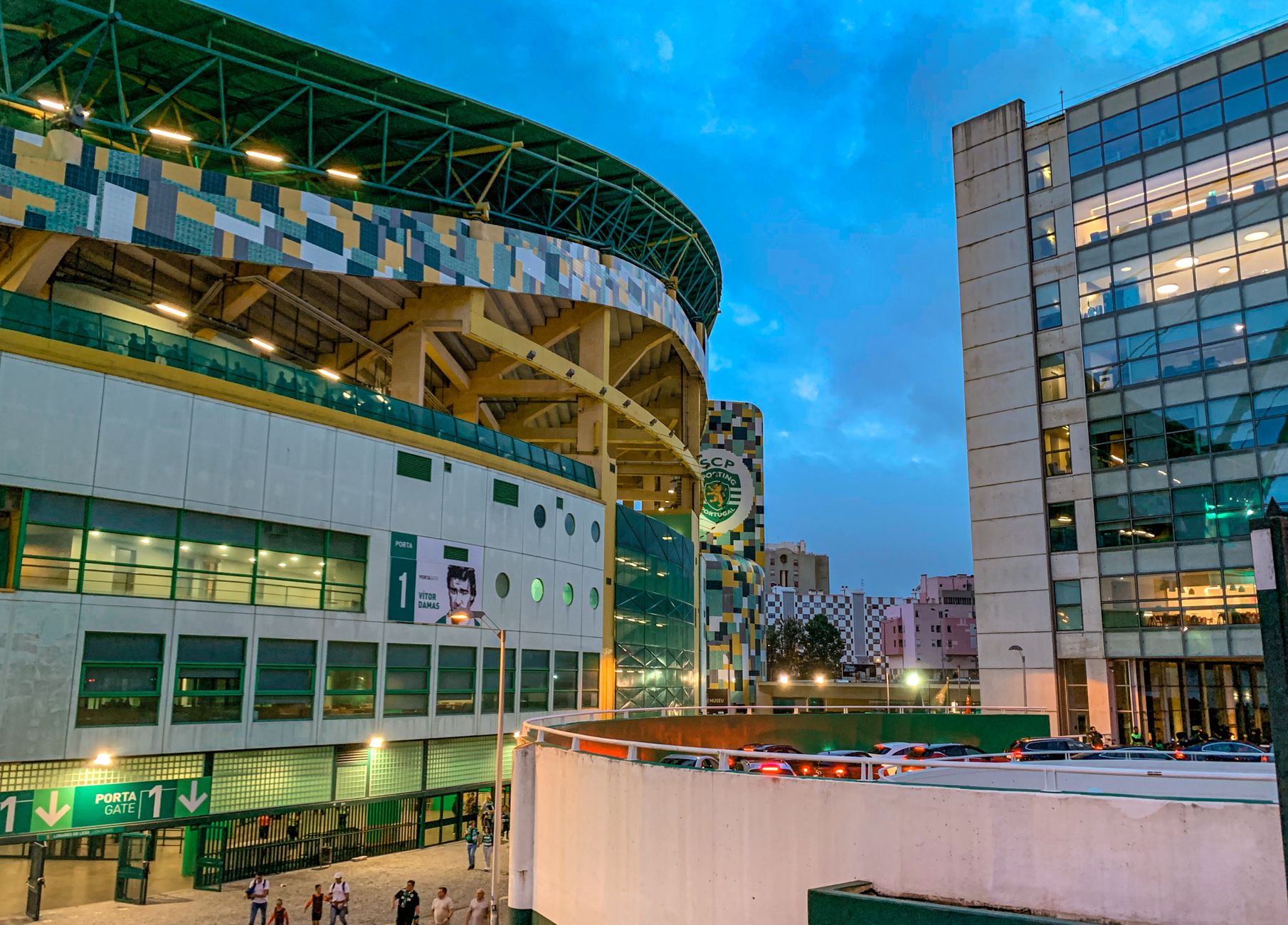
Photo by Beachbumology . on Pexels
What Players Actually See
Players do not experience the football world cup as a string of glamorous posters and fan celebrations. They see compressed recovery windows, unfamiliar climates, changing travel routines, hostile away support, and tactical problems that cannot be solved by reputation alone. In Los Angeles, the stadium environment, crowd noise, pitch conditions, and match schedule will influence performance, but the effects will not be identical for every national team.
A European side accustomed to compact travel may face a different challenge from a South American team managing long-haul movement and recovery. Teams arriving from higher-altitude or humid environments must also adapt to Southern California conditions, even when the weather appears comfortable to spectators. The relevant indicators are training load, sleep, rotation, pressing intensity, and the number of minutes played by key midfielders during the previous fixture. Stadium View’s team reports should be read through that lens rather than reduced to the familiar question of which nation has the biggest stars.
The expanded 48-team format also changes the strategic environment. More teams qualify, the group stage contains more permutations, and managers may calculate risk differently when comparing goal difference, points, and qualification scenarios. A 1–0 win can be more valuable than a reckless 4–3 performance if the table rewards control. Conversely, a team needing a result late in the group phase may abandon its usual defensive structure, creating opportunities that pre-match reputation will never reveal. [Internal Link: World Cup tactical analysis guide] explains how to read those shifts without confusing possession with control.
A useful match review should record:
- Starting formation and changes after substitutions.
- Progressive passes, recoveries, and final-third entries.
- Set-piece quality, not merely the number of corners.
- Pressing success after losing possession.
- Travel, rest, and rotation before the match.
- Whether the closing odds reflected genuine information or public enthusiasm.
That final point matters. A shorter price is not automatically a better price. If a famous striker attracts public money while his team loses midfield control, the apparent favorite may be a poor position even if it eventually wins. I have watched players and markets punish lazy assumptions repeatedly; the figures are less sentimental than the crowd, and that is precisely why they are useful.
The 3 Things That Matter Most
1. How does the 2026 World Cup schedule affect Los Angeles?
The schedule affects Los Angeles through match timing, travel congestion, rest periods, and the distribution of supporters across eight SoFi Stadium fixtures. A match date is not enough; visitors must also assess kickoff time, transport demand, venue entry procedures, and the next fixture’s consequences for team rotation and market prices.
The official schedule should always be confirmed through FIFA and reputable schedule providers such as ESPN’s FIFA World Cup schedule, because graphics shared on social platforms can become outdated after operational changes. Los Angeles visitors should expect the practical calendar to include more than stadium matches: the FIFA Fan Festival is planned for June 11–14 at the Los Angeles Memorial Coliseum, while official fan zones will operate across the region during the tournament period.
The overlooked issue is the gap between matchday demand and ordinary city capacity. Los Angeles already has heavy traffic around Interstate 405, Interstate 105, and major entertainment districts. Add SoFi Stadium, LAX, Exposition Park, hotels, and fan gatherings, and a journey that looks like 20 minutes may consume two hours. My recommendation is to budget a fixed arrival window rather than chasing the theoretical fastest route. If a ticket is expensive but the traveler misses kickoff, the net position is negative before the first pass is completed.
For match research, compare schedule pressure with:
- Rest days between fixtures.
- Distance traveled by each team.
- Expected rotation in defense and midfield.
- Kickoff conditions and local time adaptation.
- Qualification urgency in the group table.
Get the confirmed schedule and the analytical context in one place before committing your time or money.
2. What makes SoFi Stadium and the fan festivals different?
SoFi Stadium offers the concentrated, ticketed match experience, while the FIFA Fan Festival at the Los Angeles Memorial Coliseum provides a public-facing environment built around live broadcasts, food, music, and communal celebrations. The stadium is the priority for ticket holders; the Coliseum and official fan zones are the flexible alternatives for supporters without match tickets.
SoFi Stadium, home of the Los Angeles Rams and Los Angeles Chargers, is a technologically advanced venue in Inglewood with a retractable roof and large-scale event infrastructure. That does not eliminate queues, security screening, mobile-ticket problems, or traffic. It makes early planning more valuable. Visitors should inspect official “know before you go” instructions, confirm prohibited items, charge phones, and avoid assuming that a screenshot of a ticket will be accepted.
The Los Angeles Memorial Coliseum adds a different emotional layer. Exposition Park sits closer to Downtown Los Angeles and offers a historic setting with a long association with major sporting events. The planned festival dates, June 11–14, are especially important because they surround the opening phase of the competition and may attract visitors who are not attending a SoFi Stadium fixture. [Internal Link: Los Angeles World Cup fan zone guide] is worth consulting for location-specific details, opening times, and transportation planning.
A surprising operational edge case is digital access. International visitors may depend on roaming data, unfamiliar payment systems, and battery-heavy ticketing applications. A dead phone can become a genuine entry problem, not a minor inconvenience. Carry an approved backup power bank, save confirmation numbers securely, and check whether the venue requires the original ticketing application rather than a forwarded image. Believe it or not — I do: basic preparation produces more value than dramatic last-minute improvisation.
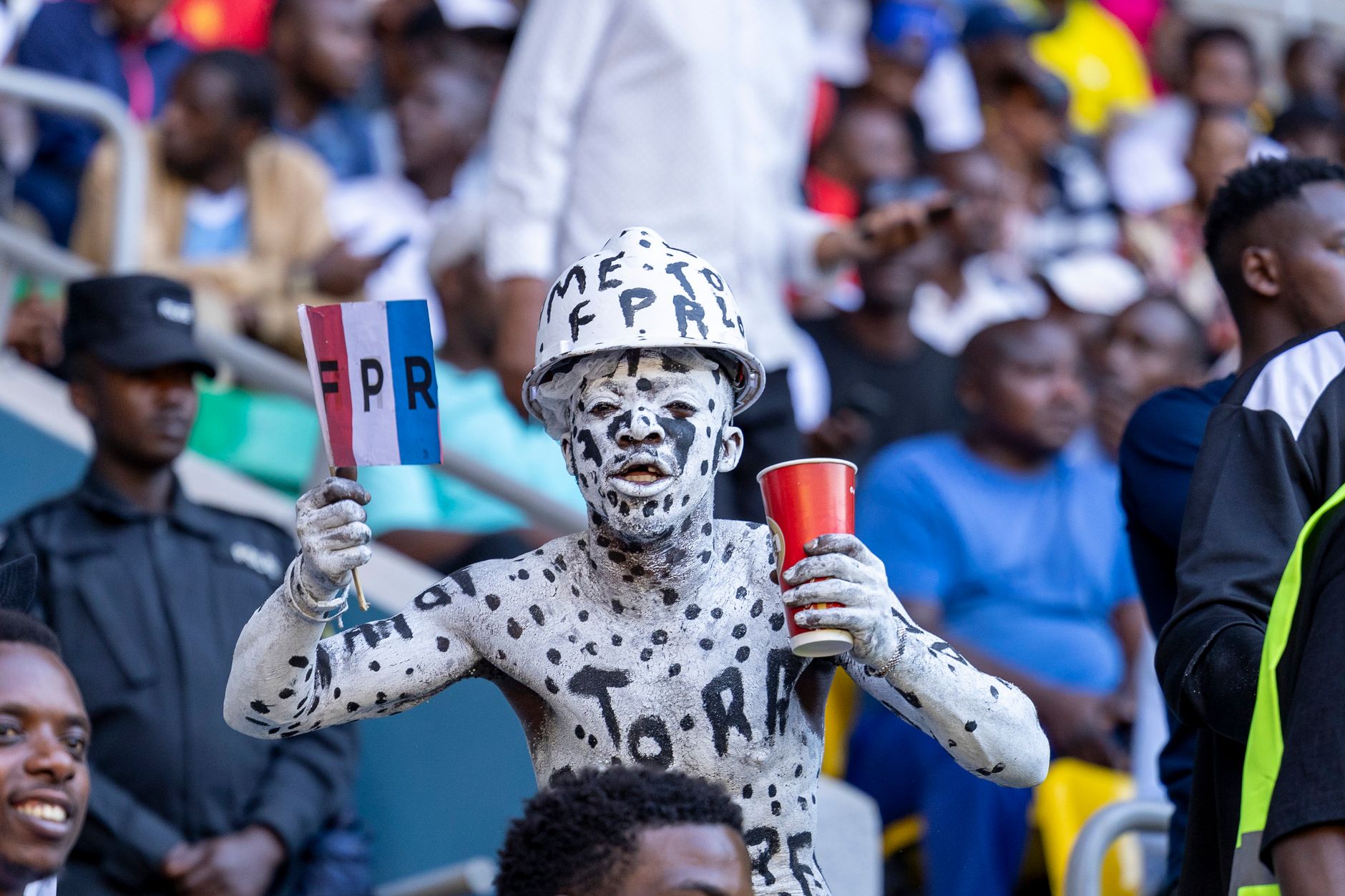
Photo by Safi Erneste on Pexels
3. Which football statistics matter before a World Cup match?
The most useful football statistics are those that explain repeatable performance: non-penalty expected goals, shot quality, field tilt, pressing recoveries, set-piece efficiency, and goalkeeper actions. A single scoreline can mislead, whereas a multi-match sample reveals whether a team created sustainable advantages or survived through variance.
Stadium View’s player and team analysis should be combined with official competition data from FIFA and broader statistical context from recognized football databases. The key is not to collect every number available; it is to identify the numbers connected to the tactical question. If France controls the ball but generates low-quality shots, possession alone says little. If Morocco concedes territory but protects the penalty area and attacks efficiently in transition, field position must be interpreted rather than worshipped.
I use a three-layer process:
- Baseline: review the previous five competitive matches, excluding friendly results when the intensity is materially different.
- Context: adjust for opponent strength, travel, injuries, and expected lineup changes.
- Price: compare the estimated probability with the available market price after accounting for margin.
For example, a model assigning a team a 55% win probability implies fair decimal odds of approximately 1.82 before margin. If the market offers 1.65, the price may be too short even when the team is likely to win. If it offers 2.05, further investigation is justified, but not blind action. This is the difference between predicting an outcome and evaluating a position. You, naturally, will be tempted to confuse the two. Do not.
Read the [Internal Link: World Cup player statistics hub] alongside lineup news, because statistics without selection context are incomplete evidence.
Edge Cases & Gotchas
Can travel and local conditions change a World Cup prediction?
Yes, travel and local conditions can materially change a World Cup prediction when they affect recovery, rotation, pressing intensity, or defensive concentration. The impact is rarely visible in a basic league table, so analysts should monitor rest, time-zone adjustment, training reports, and venue logistics rather than rely on team reputation.
Los Angeles presents a particularly interesting case because the region combines an enormous metropolitan area with varied accommodation and transport choices. A team staying near Beverly Hills, Downtown Los Angeles, or the airport may face different daily routines before reaching SoFi Stadium. Supporters encounter the same problem at a less professional level: late hotel check-ins, parking uncertainty, and long post-match exits can turn excitement into fatigue before the next event.
A practical information-gain rule is to downgrade confidence when three conditions occur together:
- A key midfielder has played at least 160 minutes across the previous two matches.
- The team has fewer than four full recovery days.
- The manager has limited reliable bench options.
That is not a universal formula, but it identifies fragile favorites. Another underappreciated factor is set-piece defense after substitutions. Tired teams often preserve their headline shape while losing marking discipline, making late corners and free kicks more dangerous than their pre-match averages suggest. Track goals conceded after the 75th minute and defensive substitutions separately; most casual previews do not.
If you are wagering, use licensed operators available in your jurisdiction, understand the applicable rules, and never treat a World Cup match as guaranteed income. [Internal Link: responsible football betting checklist] should be part of the process, not an afterthought. Set a fixed budget, record deposits and withdrawals, and measure net position after all rebates or promotions rather than celebrating turnover. The only number that matters financially is what remains.
What ticket, transport, and security mistakes should fans avoid?
The most costly mistakes are purchasing from unauthorized sellers, arriving without a verified mobile ticket, underestimating Los Angeles traffic, and assuming that stadium parking or public transport will work exactly as it does on an ordinary day. Official FIFA, venue, and host-city instructions should override social-media advice or reseller promises.
The United States Department of Transportation provides general travel information through its official travel resources, but World Cup visitors also need event-specific guidance from Los Angeles World Cup organizers. Confirm whether a ticket is mobile-only, whether names can be changed, and whether transfers are permitted. Never send payment through an unverified private message simply because the seller claims urgency. Scarcity is a sales technique, not proof of authenticity.
For transportation, identify a primary route and a fallback route before leaving. Ride-share prices can surge after matches, parking may require advance reservations, and walking distances around major venues can be longer than expected. Public transport may be efficient for Exposition Park but less convenient for every SoFi Stadium approach. Build in time for security screening, restroom stops, and a phone connection that may weaken near a crowded venue.
The most sensible checklist is short:
- Confirm the ticket through the official platform.
- Save booking references and accommodation details.
- Check venue restrictions the day before travel.
- Carry identification and a charged device.
- Plan departure before kickoff, not during stoppage time.
- Avoid carrying unnecessary bags or prohibited equipment.
Los Angeles rewards preparation and punishes casual confidence. I know which side of that equation I prefer.
How should fans interpret World Cup betting promotions?
Fans should interpret World Cup betting promotions as marketing offers with conditions, not as free money. The real value depends on eligibility, minimum odds, wagering requirements, expiry dates, maximum winnings, withdrawal restrictions, and whether the promotion changes the bettor’s normal staking behavior.
A disciplined player records the offer as a liability until the terms are satisfied. A $50 bonus is not worth $50 if it requires excessive turnover, expires in 72 hours, or can only be withdrawn after a complicated sequence of qualifying bets. Compare the cash value, required turnover, and expected loss. Promotional rebates can reduce effective cost, but they do not erase bookmaker margin or variance.
Before accepting any offer, check:
- Minimum deposit and qualifying odds.
- Whether stake returns are included in the turnover calculation.
- Expiry period and settlement requirements.
- Maximum bonus conversion or withdrawal amount.
- Geographic and age restrictions.
- Self-exclusion and deposit-limit tools.
This is where Stadium View should remain an analysis resource rather than a promise of profit. Predictions are opinions supported by evidence; they are not guarantees. The United Kingdom Gambling Commission states that gambling should be conducted fairly and transparently, and its consumer guidance reinforces the importance of understanding terms before participation. Rules differ in Canada, the United States, and Mexico, so local law matters. Do not cross a legal boundary for a promotional headline. That would be an astonishingly bad investment.

Photo by Joshua Miranda on Pexels
Verdict
The 2026 football world cup in Los Angeles will be defined by eight SoFi Stadium matches, a June 11–14 FIFA Fan Festival at the Los Angeles Memorial Coliseum, official fan zones, and the operational complexity of a huge metropolitan region. The best visitor plan combines official schedule verification, early transportation decisions, secure digital ticket handling, and a realistic understanding of crowd movement. The best analytical plan combines player availability, tactical structure, rest, travel, market price, and responsible staking.
Stadium View is most useful when it helps you think more rigorously: compare expected performance with price, distinguish public excitement from evidence, and record the net result instead of obsessing over one winning ticket. World Cup football creates extraordinary memories, but emotion is a terrible accountant. Follow the matches passionately, assess the information coldly, and protect your budget with the same seriousness you give the tournament. Believe it or not — I do.
Ready to follow the tournament with sharper analysis and daily coverage?
Frequently Asked Questions
Q: What is the 2026 football world cup?
A: The 2026 FIFA World Cup is the men’s international football tournament hosted by Canada, Mexico, and the United States from June 11 to July 19, 2026. It will feature 48 teams, an expansion from the previous 32-team format, and matches across 16 host cities. The competition includes a group stage followed by knockout rounds, with FIFA responsible for the official tournament framework and regulations.
Q: How many World Cup matches will Los Angeles host?
A: Los Angeles will host eight FIFA World Cup 2026 matches at SoFi Stadium in Inglewood. The exact match pairings and kickoff details should be checked through FIFA, the official Los Angeles host committee, or a reputable schedule provider such as ESPN. Supporters should also distinguish stadium fixtures from the broader fan program, which includes the Los Angeles Memorial Coliseum and official fan zones.
Q: How can I plan a Los Angeles World Cup matchday?
A: Plan a Los Angeles World Cup matchday by confirming the ticket, checking venue rules, selecting transportation, and arriving well before kickoff. SoFi Stadium traffic can be severe around Interstate 405, Interstate 105, LAX, and Inglewood, especially when large crowds leave simultaneously. Keep your mobile ticket accessible, carry identification, avoid prohibited items, and arrange a post-match route before entering the stadium.
Q: What is the difference between SoFi Stadium and the FIFA Fan Festival?
A: SoFi Stadium is the ticketed venue for eight official World Cup matches, while the FIFA Fan Festival at the Los Angeles Memorial Coliseum is a public celebration featuring match broadcasts, entertainment, food, and fan activities. The festival is scheduled for June 11–14, 2026, at Exposition Park. A fan without a match ticket can still experience the tournament atmosphere through the festival and official community events.
Q: Is Stadium View a bookmaker or a football analysis site?
A: Stadium View is a football-focused content site covering match predictions, team tactics, player statistics, and 2026 World Cup developments. It provides analytical information rather than treating predictions as guaranteed outcomes. Readers should compare research with official team news, follow local gambling laws, and use licensed operators only when wagering is legal in their jurisdiction.
Q: What should I do if my World Cup mobile ticket does not load?
A: If a World Cup mobile ticket does not load, verify your internet connection, open the official ticketing application, restart the device, and contact the authorized ticket provider before traveling to the venue. Do not rely solely on a screenshot because event systems may require a live barcode or account authentication. Charge your phone, carry the booking reference, and avoid buying a replacement ticket from an unverified reseller.
Q: How much should I budget for a Los Angeles World Cup trip?
A: A Los Angeles World Cup budget should include the ticket, accommodation, local transport, meals, event fees, and an emergency reserve rather than only the match price. Costs will vary sharply by hotel location, fixture demand, and travel dates, while ride-share prices may increase after matches. Set a fixed spending limit, track every deposit and purchase, and never increase a wagering budget to recover travel or ticket costs.
Continue your tournament research and compare the latest tactical information before making your next decision.
Thank you for reading.
Stadium View · Editorial Archive